



A Practical guide to UST Fresnel, Black Grid, and Acoustic Screens
Choosing the best ust projector screen is an important part of creating a great ultra-short-throw projection setup.
Unlike traditional projectors, ultra short throw (UST) projectors sit close to the wall and project light upward onto the screen at a steep angle. This means the screen surface has a major impact on how the image looks—from perceived brightness and black levels to viewing comfort and sound integration.
For most ultra short throw setups, three screen types are worth considering:
- UST Fresnel screen
- Black Grid / CLR screen
- Acoustic woven screen
Each type has its own strengths and trade-offs. The best choice depends on your room, lighting conditions, viewing habits, and whether you plan to place speakers behind the screen.
Quick Comparison: Fresnel vs Black Grid vs Acoustic Woven
|
Screen Type |
Best For |
Main Advantage |
Main Consideration |
|
UST Fresnel |
Bright rooms and daytime viewing |
Higher perceived brightness and strong light control |
Positive gain may make laser speckle more noticeable |
|
Black Grid / CLR |
Everyday living-room viewing |
Better perceived black levels and control of overhead light |
Negative gain may reduce overall brightness |
|
Acoustic Woven |
Dedicated home cinema setups |
Sound can pass through the screen; helps reduce speckle |
No ambient-light-rejection structure; best in controlled lighting |
The most important rule: make sure the screen is specifically designed for Ultra Short Throw (UST) projection. A screen optimized for a traditional projector may not work properly with a UST projector because the projection angle is fundamentally different.
1. UST Fresnel Screens
For Bright Rooms and Maximum Perceived Brightness
Fresnel screens use a concentric optical structure designed to work with the steep projection angle of an ultra-short-throw projector.
Their positive-gain surface is designed to direct more of the projector’s light toward the viewing area. This makes Fresnel screens a popular choice for bright living rooms, daytime viewing, and users who want a more vivid and high-impact image.

Why choose a Fresnel screen?
- Higher perceived brightness: The positive gain can help increase perceived image brightness, making the picture look more vivid and impactful—especially when some ambient light is present.
- Strong light control: A UST Fresnel screen is designed around the projection geometry of a ultra short throw projector, helping manage ambient light and maintain image visibility in brighter rooms.
- Great for daytime viewing: If you frequently watch movies, sports, or TV during the day, a Fresnel screen can help preserve a bright and engaging image.
What should you consider?
The same optical characteristics that help increase perceived brightness can also make laser speckle more noticeable, depending on the projector, screen material, and viewer sensitivity.
Laser speckle is a granular or shimmering texture that can sometimes be visible with laser projection. If you are particularly sensitive to this effect, it is worth comparing different screen materials before making a decision.
Best for
- Bright living rooms
- Daytime viewing
- Users who prioritize brightness
- Setups where stronger ambient-light control is important
2. Black Grid CLR Projector Screen
For Everyday Living Rooms and Deeper-Looking Blacks
Black Grid screens, which is also commonly referred to as Black Grid ALR or CLR screens, use a directional surface structure to reflect the projector’s light toward the viewing area while reducing the impact of ambient light, especially light coming from above.
Compared with positive-gain Fresnel screens, Black Grid CLR projector screens typically use a negative-gain surface. This can reduce overall perceived brightness, but it also brings an important benefit: black areas can appear deeper and darker.
Why choose a Black Grid CLR projector screen?
-
Deeper-looking black levels: The darker laser tv screen surface and negative gain can help black areas appear more pronounced, especially in rooms where some ambient light is present.
This can be particularly useful for movies and TV shows with dark scenes, nighttime sequences, and strong contrast between highlights and shadows. - Effective control of overhead light: Many living rooms have ceiling lights or light entering from above. Black Grid structures are designed to reduce the impact of this type of ambient light while reflecting the projector’s light toward the viewer.
- A balanced choice for everyday viewing: If you use your projector as an everyday entertainment display and want a balance of contrast, viewing flexibility, and ambient-light control, Black Grid can be a strong option.
What should you consider?
Because Black Grid CLR projector screens use negative gain, the image may not appear as bright as it would on a positive-gain Fresnel screen.
The right choice therefore depends on your priorities:
If you want the brightest possible image, Fresnel may be more suitable.
If you prefer a deeper-looking black level and a more balanced living-room experience, Black Grid may be the better fit.
Best for
- Everyday living-room viewing
- Movie and TV watching
- Users who prioritize black-level performance
- Rooms with ceiling lights or moderate ambient light
- Viewers who want a balance between contrast and usability
3. Acoustic Woven Screens
For Behind-Screen Speakers and Reduced Laser Speckle
Acoustic woven screens take a different approach from Fresnel and Black Grid CLR projector screens.
Instead of using a dedicated optical structure to reject ambient light, the acoustic transparent projector screen material uses a woven surface that allows sound to pass through the laser tv screen.
This makes it possible to position speakers behind the image, creating a more integrated home cinema setup.
For laser projectors, certain woven materials may also help reduce the perceived visibility of laser speckle. However, the actual performance depends on the specific material and screen construction.
Why choose an acoustic woven screen?
- Place speakers behind the screen: An acoustically transparent screen allows the center channel and front speakers to be positioned behind the image. This can make dialogue and sound effects feel more naturally connected to what is happening on screen.
- Helps reduce perceived laser speckle: Some woven screen materials can help diffuse the granular appearance associated with laser speckle. This may be an important consideration for viewers who are particularly sensitive to speckle, especially when using a laser projector for large-screen viewing.
- A more integrated cinema setup: If you are building a dedicated home cinema and want the screen, speakers, and image to feel like one system, an acoustic woven screen can offer a different kind of flexibility.
What should you consider?
Unlike Fresnel and Black Grid CLR projector screens, acoustic woven screens generally do not have a dedicated ambient-light-rejection structure.
This means they are more dependent on the room environment.
For the best results:
- Control direct sunlight where possible.
- Reduce strong ceiling and side lighting.
- Consider using the screen in a darker room.
- Make sure the material is specifically confirmed as compatible with UST projection.
Not every woven acoustic screen is designed for UST projectors. Because ultra short throw projection uses a steep upward projection angle, the screen’s surface structure and installation flatness are especially important.
Best for
- Dedicated home cinema rooms
- Setups with speakers behind the screen
- Users who are particularly sensitive to laser speckle
- Rooms where ambient light can be controlled
- Viewers who prioritize sound integration and cinematic immersion
Which Screen Should You Choose?
The right screen depends on how and where you watch.
1. You Watch During the Day: Consider a UST Fresnel screen
If your room has windows or you often watch with the lights on, a positive-gain Fresnel screen is the best projector screen for daytime viewing. It can help deliver a brighter, more vivid image.
Just keep in mind that its optical characteristics may make laser speckle more noticeable for some viewers.
2. You Watch Movies and TV in a Living Room: Consider a Black Grid / CLR screen
If you want a balanced everyday experience with better-looking black levels and control of overhead light, Black Grid can be a strong choice.
It is especially worth considering if you prefer contrast and shadow depth over maximum perceived brightness.
3. You Are Building a Dedicated Home Cinema: Consider an acoustic woven screen
If you plan to place speakers behind the screen—or if you are particularly sensitive to laser speckle—an acoustic woven screen may be worth considering.
For the best experience, use it in a room where ambient light can be controlled and confirm that the material is suitable for ultra short throw projection.

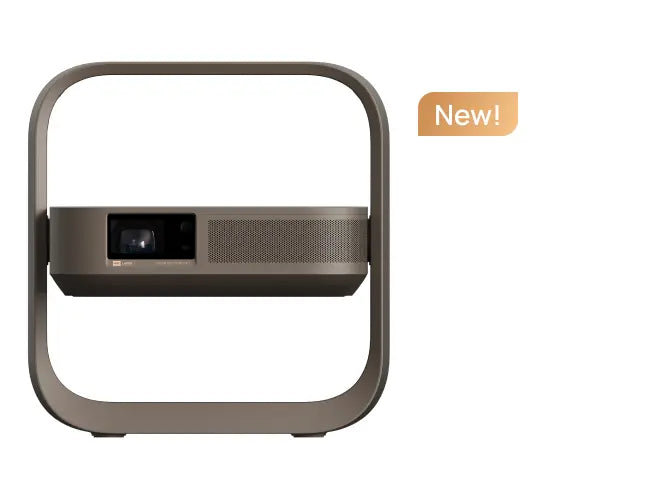
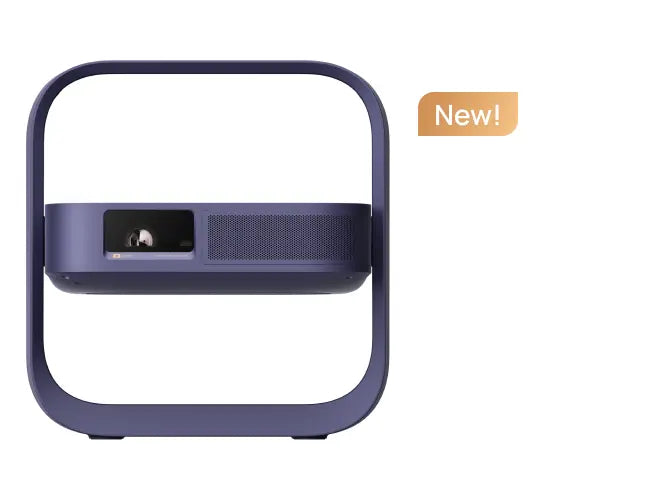
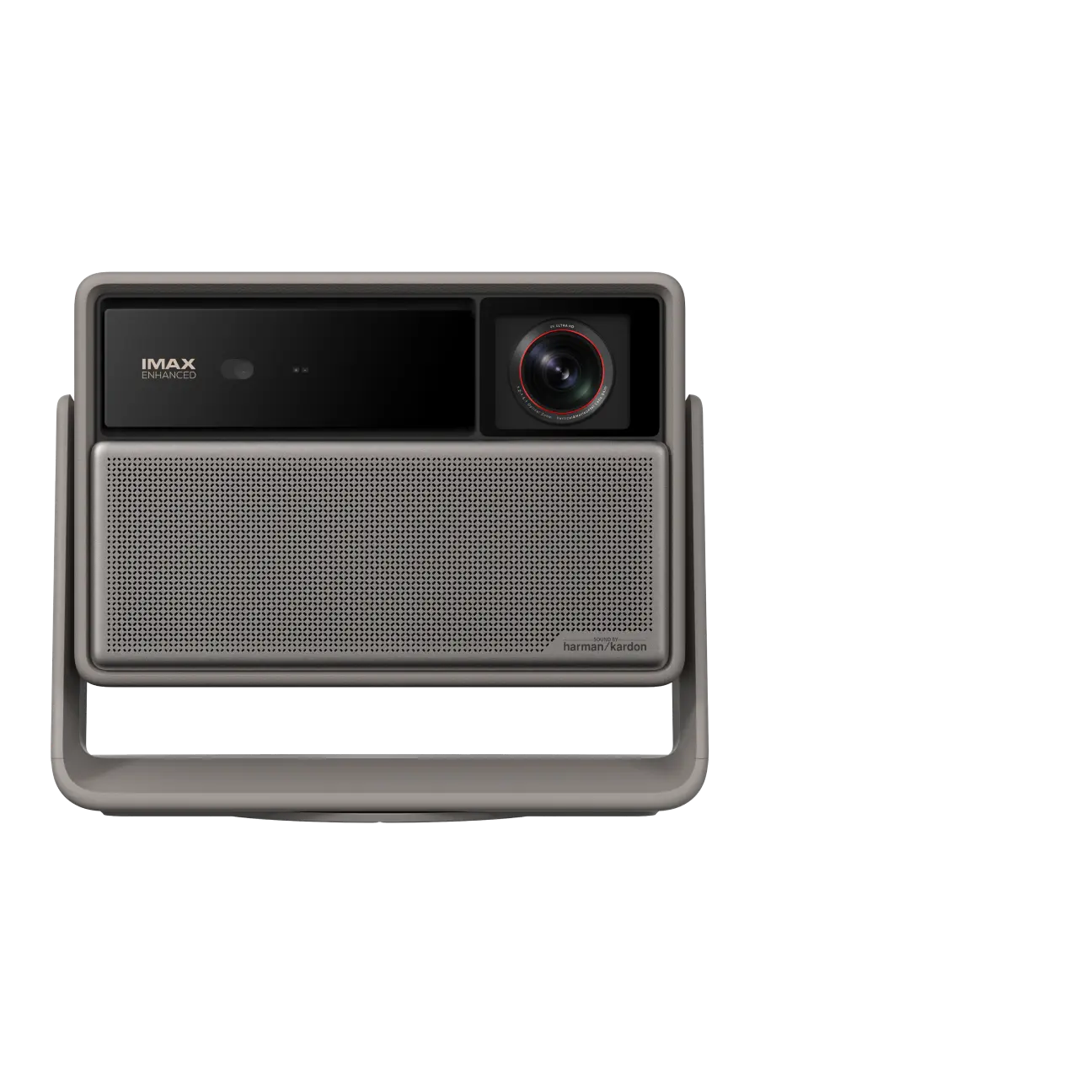
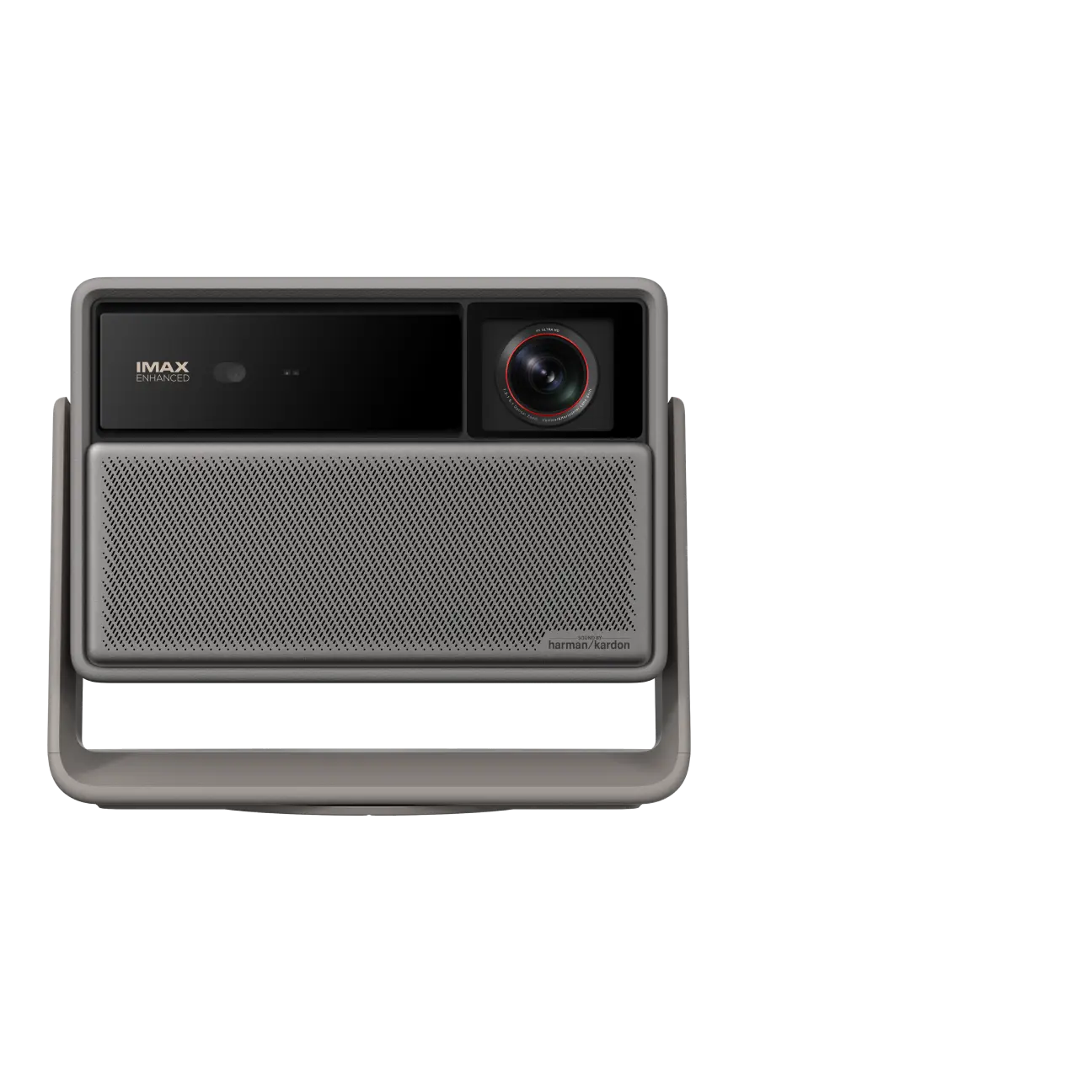
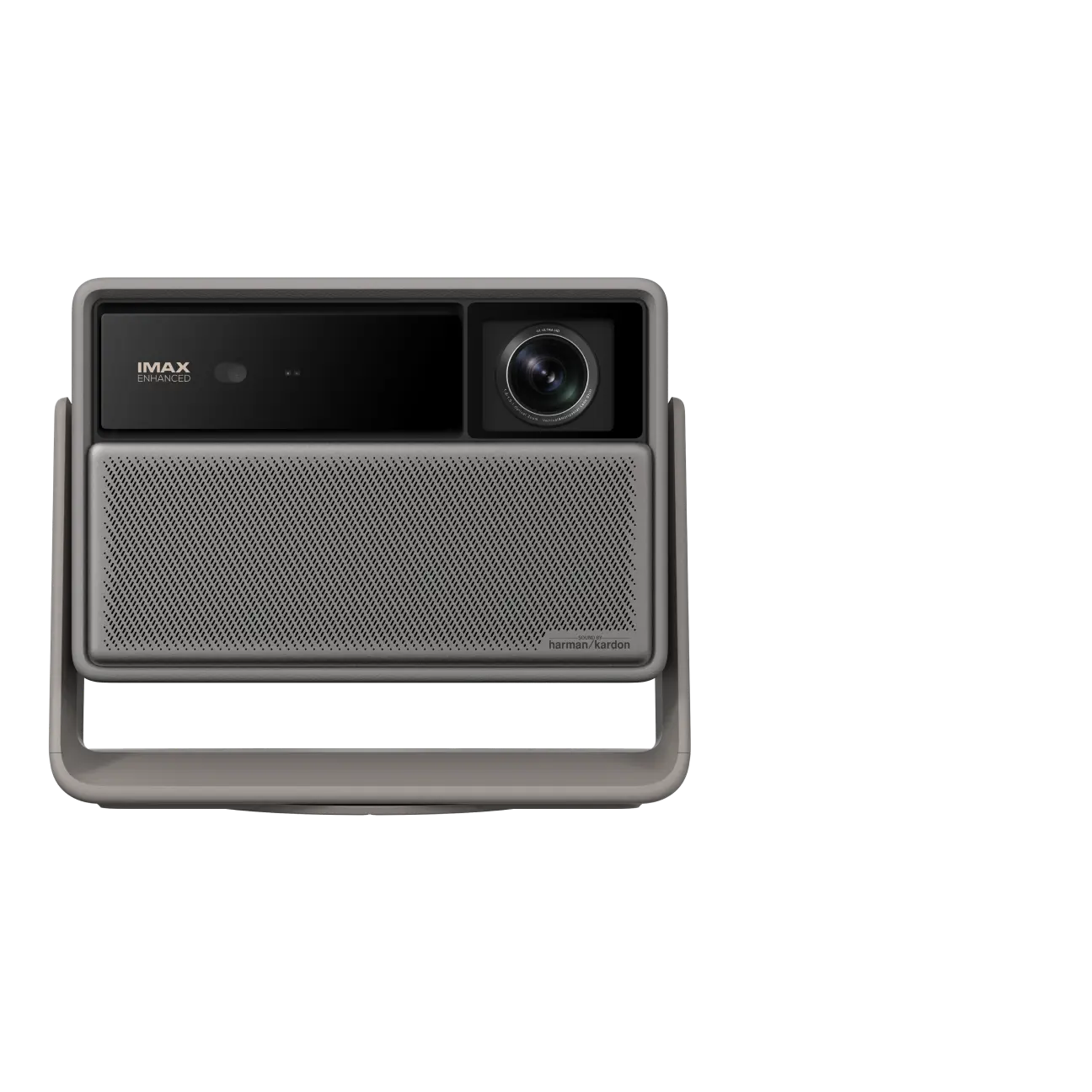
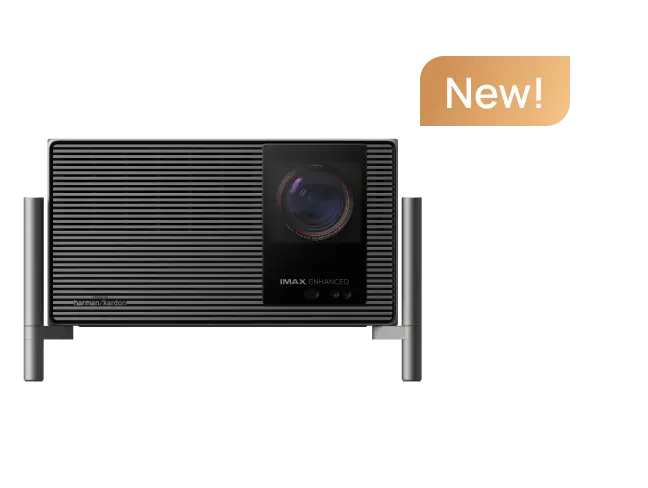
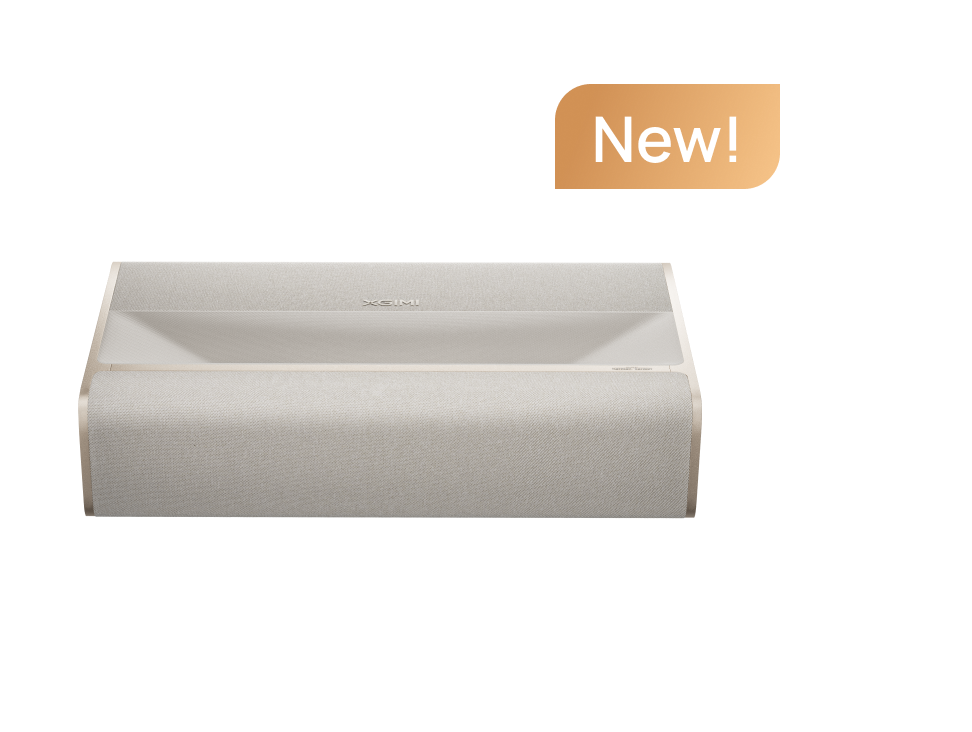
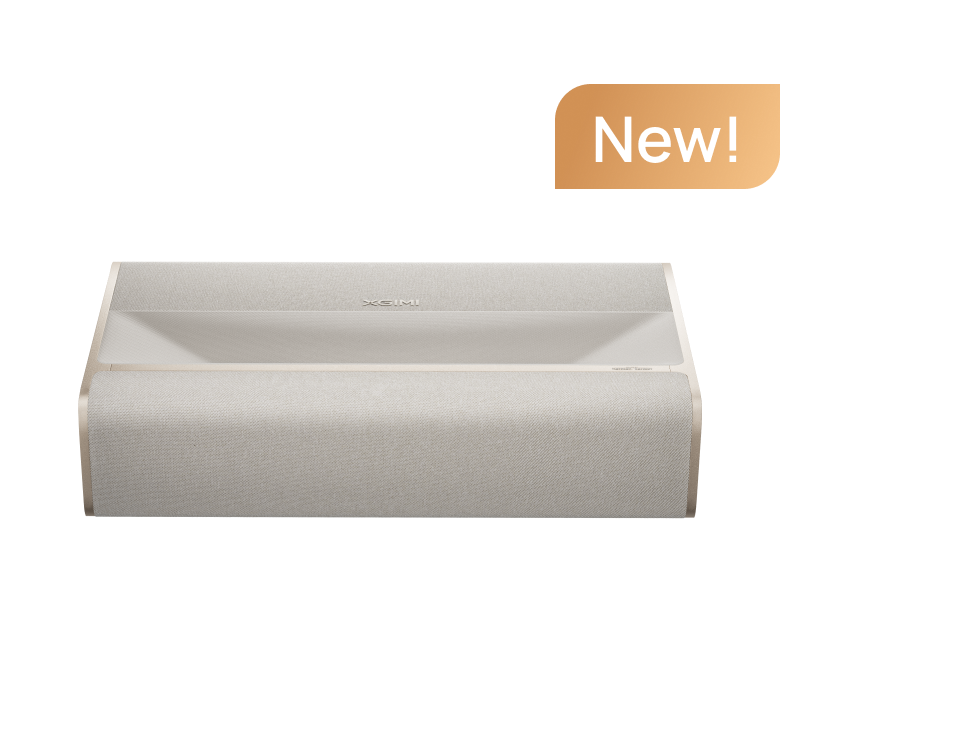
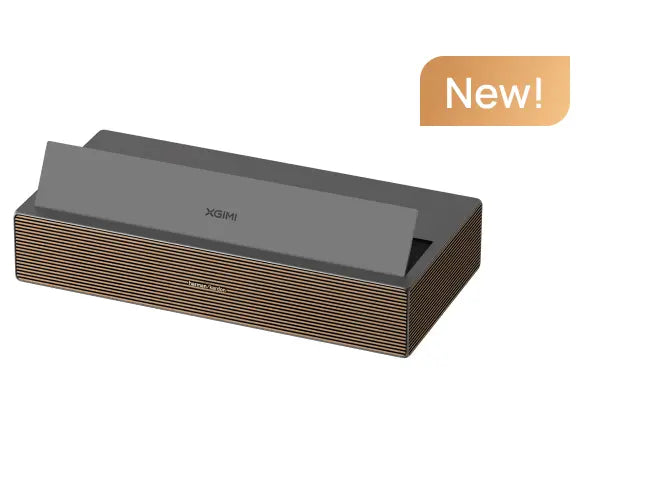
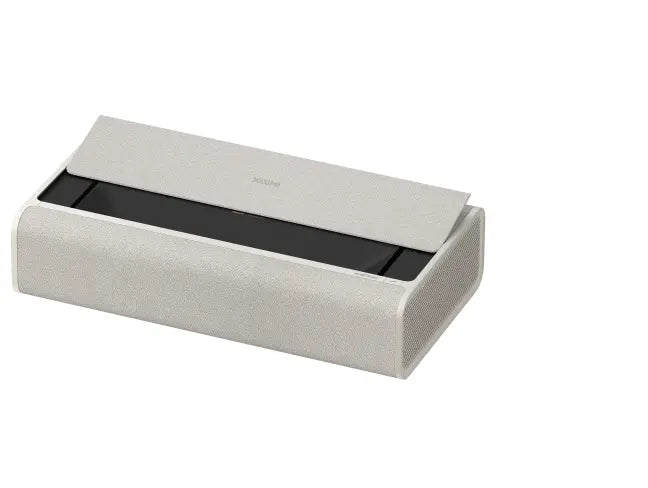
Image: XGIMI AURA 3 Max 4K Laser UST Projector
What About Laser Speckle?
Laser speckle is a visual effect that can sometimes appear as a fine granular or shimmering texture in laser projection.
Its visibility depends on several factors, including:
- The projector’s light source
- The screen material
- Screen gain
- Viewing distance
- Image brightness
- The viewer’s sensitivity
Screen material can influence how noticeable speckle appears.
In general:
- Positive-gain Fresnel screens may make speckle more noticeable for some viewers.
- Black Grid CLR projector screens offer a different optical structure and may provide a more balanced viewing experience.
- Certain acoustic woven materials are designed to help diffuse or reduce the perceived visibility of speckle.
There is no single screen material that is best for every viewer. If you are sensitive to speckle, it is worth seeing the projector with the actual screen material before making a final decision.
Things to Check Before You Buy a Screen for Ultra Short Throw Projector
1. Is the screen designed for UST projection?
Do not choose a screen simply because it is labeled “ALR.” A conventional ALR screen for a long-throw projector may not be suitable for ultra short throw projection. Look for a screen specifically designed for UST, Laser TV, or the projector’s recommended throw ratio.
2 What is the screen gain?
Screen gain affects perceived brightness and viewing characteristics.
- Positive gain: Can increase perceived brightness, but may make viewing more directional and potentially increase speckle visibility.
- Negative gain: Can help create deeper-looking blacks, but may reduce overall perceived brightness.
- No gain / approximately 1.0 gain: Offers a more neutral optical response, but does not provide the same dedicated light-control benefits as optical ALR screens.
3. How much ambient light is in your room?
Consider when you normally watch:
- Daytime
- Evening with lights on
- Evening with lights off
- Dedicated dark-room viewing
Your lighting conditions should play a major role in the decision. This is the type of projector screen that works in daylight.
4. Do you need speakers behind the screen?
If the answer is yes, look for an acoustically transparent screen and confirm that the material is compatible with UST projection.
5. What screen size fits your setup?
A larger screen is not always better. Make sure the screen size is within your projector's recommended range. Many compact UST projectors list up to about 120 inches, while higher-output laser TV models cover 150 inches or more.
Three sizes dominate most ultra short throw projector screen setups:
- 100-inch (approx. 87 × 49 in / 2.2 × 1.25 m image): The easy fit for apartments, bedrooms, and media walls where seating is closer. A good default if you mostly watch casual TV.
- 120-inch (approx. 105 × 59 in / 2.7 × 1.5 m): The most popular living-room size, and what most UST projectors are designed around. Note: a bigger image spreads the same light over more area, so daytime viewers may see lower brightness — another reason bright rooms suit a Fresnel screen.
- 150-inch (approx. 131 × 74 in / 3.3 × 1.9 m): For large or dedicated rooms with seating well back. Confirm your projector's max size and light limits first.
As a starting point, most viewers sit roughly 1.2–1.5 times the screen diagonal away at 4K , which is about 10–13 ft for 100", 12–15 ft for 120", and 15–19 ft for 150". Closer feels more cinematic; farther feels more relaxed.
Also check the physical footprint: the screen frame adds a few inches to the numbers above, and the wall space should leave room for the projector's placement below the screen.
6. Fixed frame, floor-rising, or motorized?
Material decides how the picture looks; the mounting style decides how it fits your room.
- Fixed frame: Permanently wall-mounted with the flattest surface — important for UST, since the steep angle makes wrinkles visible. Best value per inch, but a permanent fixture.
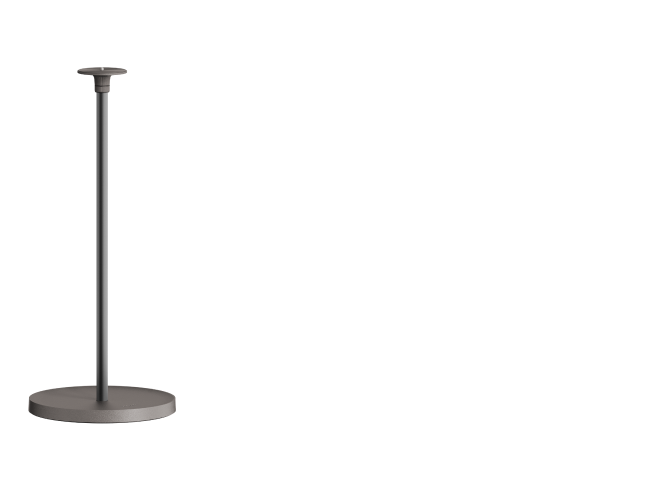
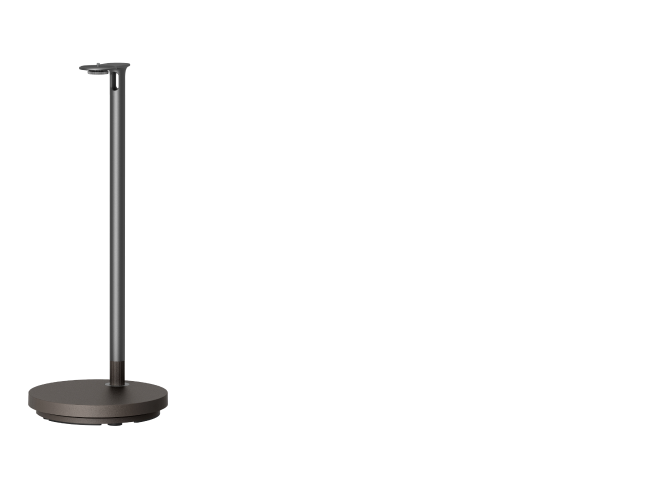
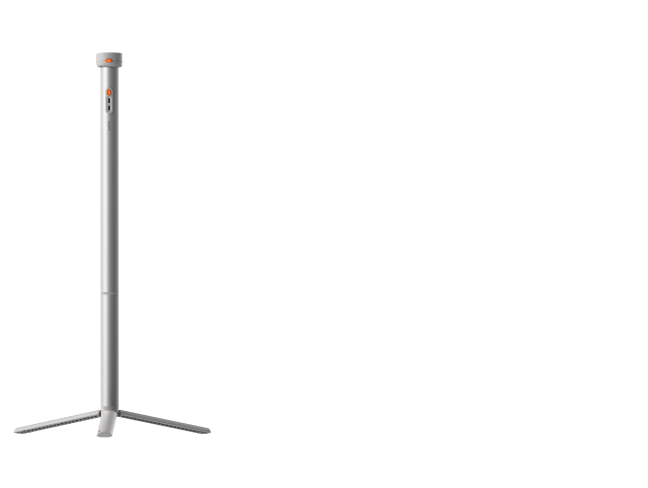
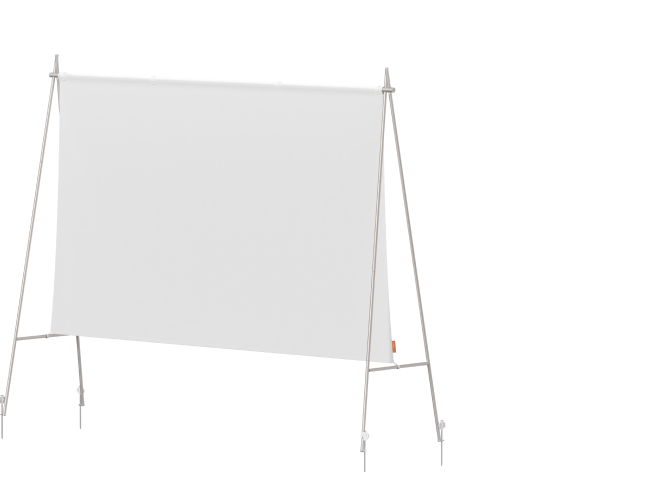
- Floor-rising: Tripod-based, rolls up for storage. No install, no power; ideal for portable setups and rentals. Choose a tensioned surface.
- Motorized: Drops from a wall/ceiling case via remote. Great when the screen shares a wall with a TV. Needs power and UST-rated case design.
- Cabinet-style: Screen rises from a media cabinet with the projector hidden inside — the most integrated living-room look, at premium pricing.
- The Bottom Line
There is no single best screen for every ultra short throw projector setup.
UST Fresnel
Choose Fresnel if you prioritize brightness and daytime viewing. Its positive gain can help create a vivid image, but may also make laser speckle more noticeable for some viewers.
Black Grid / CLR
Choose Black Grid if you want deeper-looking blacks, overhead-light control, and a balanced living-room experience. Its negative gain may reduce perceived brightness, but can help improve the appearance of dark scenes.
Acoustic Woven
Choose an acoustic woven screen if you want speakers behind the screen or reduced perceived laser speckle. Because it does not have a dedicated ambient-light-rejection structure, it works best in a room with controlled lighting.
The best screen is the one that matches your room, your viewing habits, and your priorities.
Choose the screen for the experience you want, not just the material name.


